Showing posts with label history. Show all posts

Monday, March 16, 2026

Traced by Nathaniel T. Jeanson

Book cover
Traced
by Nathaniel T. Jeanson


ISBN-13: 9781683442912
Hardocver: 252 pages
Publisher: Master Books
Released: March 11, 2022

Source: ebook review copy from the publisher through NetGalley.

Book Description, Modified from Goodreads:
What happened to the ancient Egyptians? When their civilization fell, did the Egyptian people disappear? Or do their descendants exist to this day? What about the ancient Persians? Romans? Mayans?

For years, the answers to these questions have been hidden. But no more. Nathaniel T. Jeanson, a Harvard graduate with a Ph.D. in cell and developmental biology, has discovered a DNA-based, generation by generation family tree for global humanity. This tree uncovers the origin and fate of these ancient peoples—and connects them to peoples alive today.

The fascinating research presented in Traced has additional far-reaching consequences for numerous contemporary debates. Traced shows that the races have changed multiple times in human history. Thus, “white”, “black”, “Asian” and other common descriptors lose their meaning in light of modern genetics. The genetics in Traced restores the indigenous histories to many obscure people groups and connects them back to specific ancestors in Genesis 10. Traced represents one of the strongest arguments in print for the recent origin of humanity.

Dive into the wild and emerging field of historical genetics and see how these recent discoveries on the fate of ancient civilizations end up uncovering the story of the whole world.


My Review:
Traced looks at what has been discovered about Y chromosome lineages and how this information helps to show people-group movements, mergings, and extinctions. Tracking genetic mutations and calculating mutation rates, biologists can estimate when certain Y chromosome lineages emerged and where their descendants moved (or stayed), giving a chromosomal-level view of early to modern history.

The author comes from the perspective of a young earth and biblical foundation for the origins of mankind. As in, after the Flood, the people groups were split and moved apart with Genesis 10 recording which groups went where. He tried to identify which lineages were which people groups in recorded history with findings about where various lineages occur providing some interesting insights into how much people got around in the ancient world.

He provided maps showing where the various lineages show up and about how much of the population in that area has that lineage. While I didn't completely understand how they figured out the timing on all the various splits to create the Y chromosome family trees, it's clear the author's put a lot of thought and research into it. The book focused more on trying to match the various lineages to known history. Overall, I'd recommend this book to those interested in what DNA can tell us about our lineage.


If you've read this book, what do you think about it? I'd be honored if you wrote your own opinion of the book in the comments.


Friday, August 12, 2022

Rose Guide to the Feasts, Festivals and Fasts of the Bible by Paul H. Wright

Book cover
Rose Guide to the Feasts, Festivals and Fasts of the Bible
by Paul H. Wright


ISBN-13: 9781649380210
Hardcover: 232 pages
Publisher: Rose Publishing
Released: July 15, 2022

Source: ebook review copy from the publisher through NetGalley.

Book Description, Modified from NetGalley:
Passover. Yom Kippur. Feast of Tabernacles. Rosh Hashanah. With all the ceremonies, festivals, and observances in the Bible, it’s hard to keep track of them all and remember why they’re important to our faith! But what if you could distill all this key information across dozens of chapters of the Bible into one solid, easy-to-read handbook with images, charts, and diagrams? It’s never been easier to get an expert look at the traditions, fasts, and feasts of the Bible: with this guide, 5 leading authorities on biblical celebrations and disciplines will help condense their research and historical knowledge into key takeaways that you can learn quickly and easily:

Solid overviews of the feasts, celebrations, and rituals kept in ancient Israel and the Old Testament

Historical background of the feasts and holy days in the centuries leading up to the New Testament

Summary of modern-day traditions kept by Jews today

Key takeaways of how messianic communities observe biblical feasts and holidays today

Presentation of how non-messianic Christian congregations have adopted the feasts into liturgies, theologies, etc.

God commanded Moses and the children of Israel to observe feasts and holy days as memorials to the great things that he had done in their lives. With expert research, clearly understand how these times of celebration are important to help us better see God’s complete picture and plan of redemption.


My Review:
This book looks at the regular fasts and feasts in the Old Testament period, in the New Testament Period, of modern Jews, of Messianic Jews, and of Christians. For the Old and New Testament sections, the authors explored how the pilgrim feasts were supposed to be celebrated and what the biblical evidence is for how the feasts were actually celebrated throughout the Bible (and if there were times when they weren't celebrated at all). They provided the context of the feasts and fasts: why they were celebrated, how they fit into a largely agricultural society, and how Israel was similar to and different from their neighbors. They talked about both feasts in general and the annual feasts. There were references to specific events in the Bible, to comments made in writings by others at that time, and to finds in archaeology. The book included some charts and pictures of things like the different foods mentioned in the feasts or a table set up for a modern Passover. Overall, I'd recommend this informative book.

The first chapters talked about: Sabbath, New Moon, Rosh Hashanah (New Year's Day), Yom Kippur (Day of Atonement), Passover (Feast of Unleavened Bread), Shavuot (Feast of Weeks), and Sukkot (Feast of Booths), Purim, Hanukkah, and days of Fasting, and other holidays. Messianic perspective was given on the Sabbath, Passover and the Feast of Unleavened Bread, First Fruits, Feast of Weeks/Pentecost, Day of Trumpets, Day of Atonement, Feast of Booths, Purim, Hanukkah. He also explained how the Spring feasts were fulfilled by Yeshua and the Fall feasts will be fulfilled in the future. He also talked about how Jesus celebrated these feasts in the New Testament. The Christian perspective covered how the early church celebrated these holidays and how that changed with time: Sabbath and Sunday, Passover and Good Friday and Resurrection Sunday, Pentecost, Advent, Holy Cross Day, Thanksgiving Day, Christmas and Epiphany.


If you've read this book, what do you think about it? I'd be honored if you wrote your own opinion of the book in the comments.

Excerpt: Read an excerpt using Google Preview.

Thursday, February 17, 2022

Stone and Dung, Oil and Spit by Jodi Magness

Book cover
Stone and Dung, Oil and Spit
by Jodi Magness


ISBN-13: 9780802865588
Paperback: 375 pages
Publisher: Eerdmans
Released: April 12th 2011

Source: Bought.

Book Description, Modified from Goodreads:
In Stone and Dung, Oil and Spit Jodi Magness unearths “footprints” buried in both archaeological and literary evidence to shed new light on Jewish daily life in Palestine from the mid-first century b.c.e. to 70 c.e. — the time and place of Jesus’ life and ministry.

Magness analyzes recent archaeological discoveries from such sites as Qumran and Masada together with a host of period texts, including the New Testament, the works of Josephus, and rabbinic teachings. Layering all these sources together, she reconstructs in detail a fascinating variety of everyday activities — dining customs, Sabbath observance, fasting, toilet habits, burial customs, and more.


My Review:
Stone and Dung, Oil and Spit discussed Jewish purity issues from the time of Jesus. The author looked at various literary sources from that time (including the Bible and Qumran texts) and compared this to what has been found through archaeology. Were certain rulings by rabbis followed by the general population? The author treated the Bible as just another text from the time period, though she wasn't disrespectful. She focused a lot on the Qumran community, both literary texts and archaeological discoveries. This book was academic in tone but easy enough to follow. There were some pictures at the center of the book illustrating some of the archaeological finds that she talked about. While I did learn some interesting things, it has a rather narrow focus on Jewish purity.


If you've read this book, what do you think about it? I'd be honored if you wrote your own opinion of the book in the comments.


Excerpt: Read an excerpt using Google Preview.

Monday, May 17, 2021

The New Testament in Its World by N. T. Wright and Michael F. Bird

Book cover
The New Testament in Its World
with N. T. Wright and Michael F. Bird


MasterLectures Video
Publisher: Zondervan Academic
Source: Free month offer from MasterLectures.

Video Series Description:
Enter the world of the New Testament. A companion to The New Testament in Its World by N. T. Wright and Michael F. Bird, these lectures serve as your passageway from the twenty-first century to the era of Jesus and the first Christians.

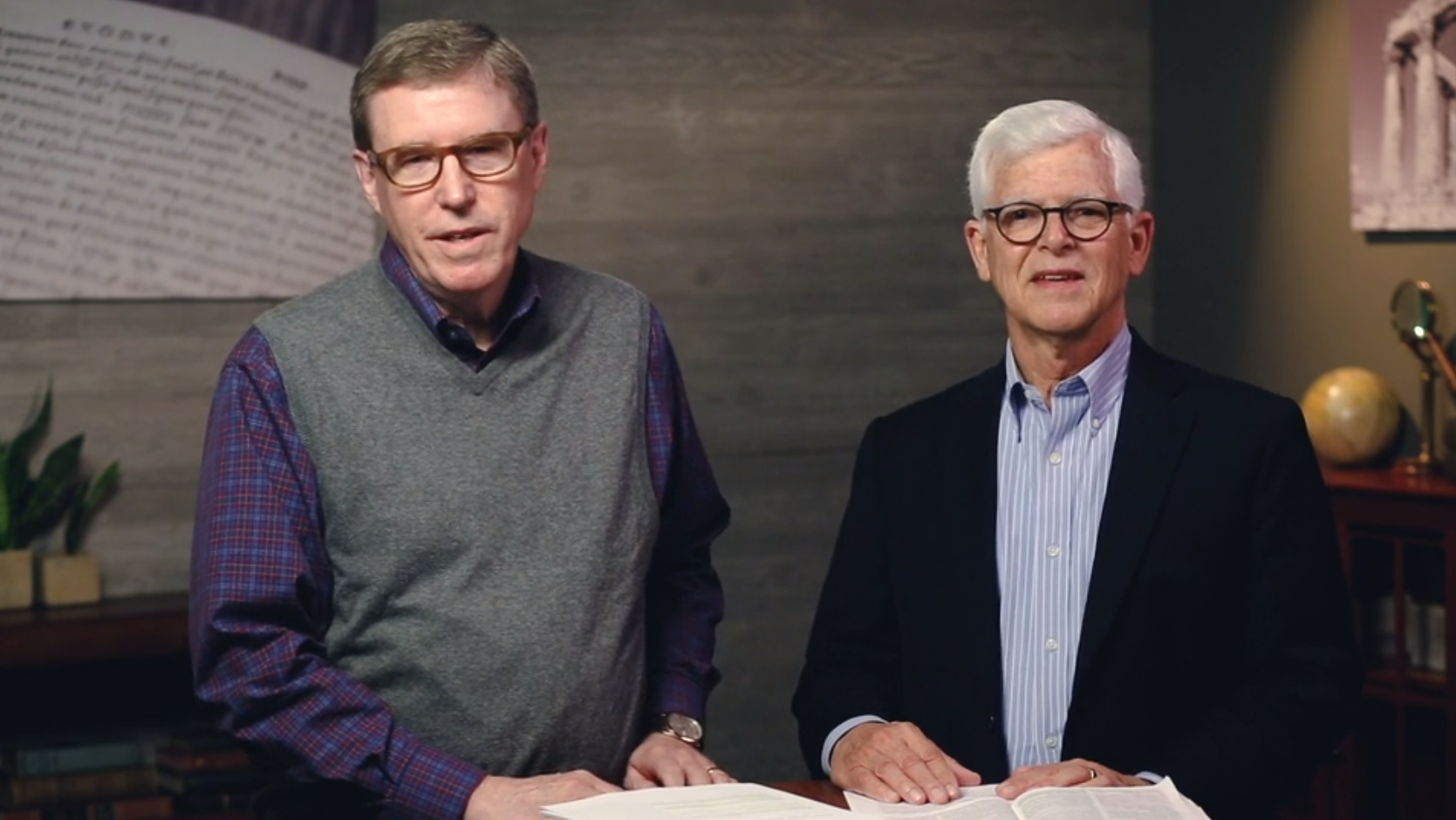
Professors Wright and Bird will guide you through how to read the New Testament, the world of Jesus and the early church, deep studies on both Jesus and the apostle Paul, lectures on every book of the New Testament, as well as how to live the story of the New Testament today.

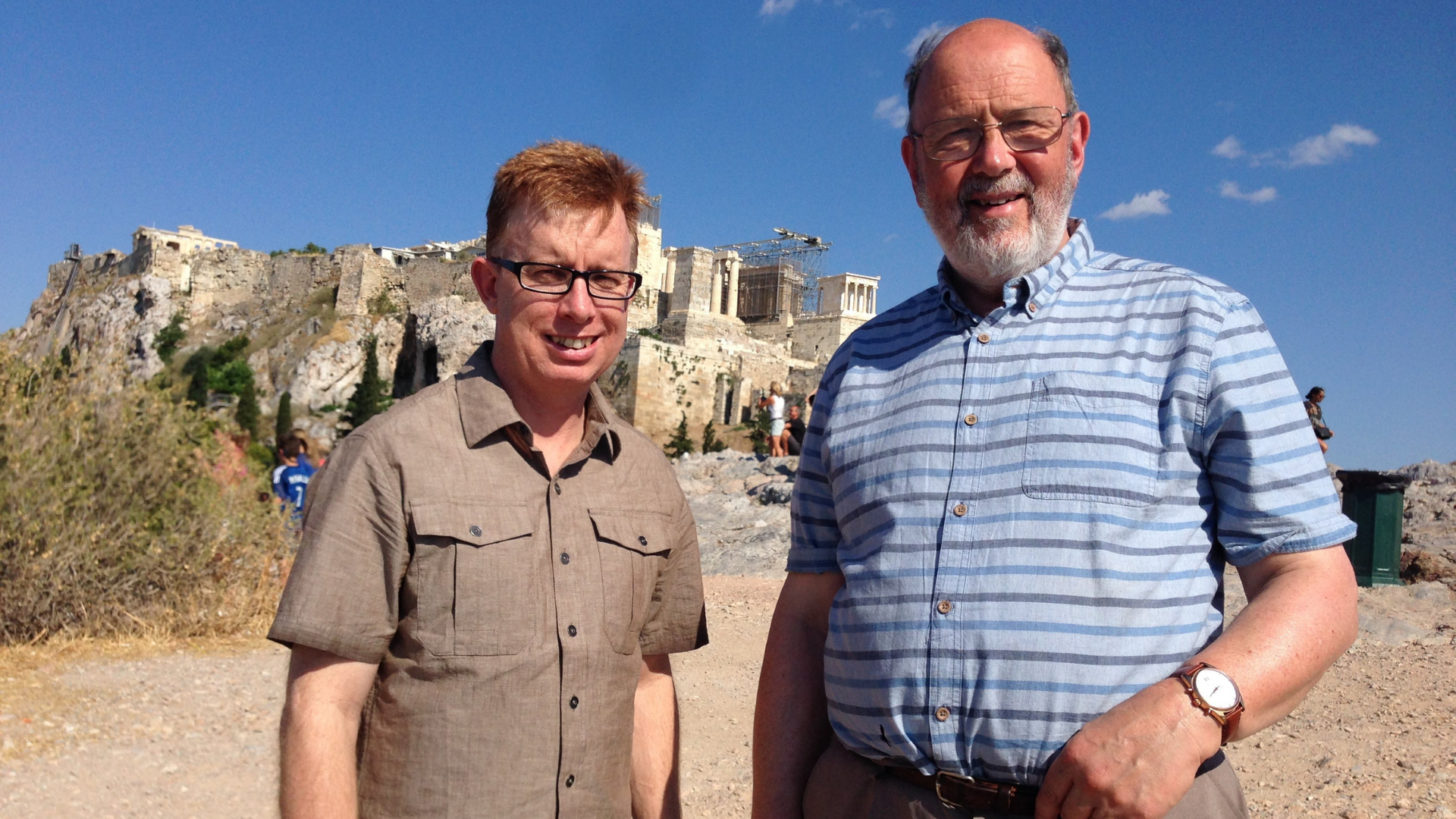
In addition to numerous studio lectures, on-location sessions will immerse you into the world of the New Testament. Filmed around the world, this series takes you on a journey with Wright and Bird to Jerusalem, Corinth, Athens, Rome, Nazareth, Qumran, Capernaum, and the shores of the Sea of Galilee.

At nearly 13 hours of content, these lectures are the definitive video introduction to the history, literature, and theology of the New Testament.

Watch the Trailer.


My Review:
Length: Around 14 hours of video when including the bonus material.

The New Testament in Its World is a video study about the books of the New Testament. The series was so long that I was not able to complete it before the end of my free trial period. I enjoyed sessions 5 through 15, which gave cultural background and context to the New Testament and the early church. The later sessions focused on specific books of the Bible and tended to focus more on the debates about who wrote the book, who it was sent to, etc. They also summarized the major ideas in the books and suggested applications. Both authors apparently wanted to talk about each book and each summarized the book, so some of it was repeated information.

Some of these sessions were filmed on-location or included brief video clips of the cities where the letter was written or was sent. While the cultural background information was potentially interesting for anyone, I felt like the debated information was much more academic than most people would care about.

Introduction - Welcome to the Study
Session 1 - Beginning Study of the New Testament
Session 2 - The New Testament as History
Session 3 - The New Testament as Literature
Session 4 - The New Testament as Theology
Session 5 - The History of the Jews
Session 6- Jewish Context of Jesus, Early Church
Session 7 - Greco-Roman Context of Early Church
Session 8 - The Study of the Historical Jesus
Session 9 - The Profile and Praxis of a Prophet
Session 10 - Who Did Jesus Think He Was?
Session 11 - The Death of the Messiah
Session 12 - Afterlife for Greek, Roman, Jew
Session 13 - Story of Easter (Apostle Paul)
Session 14 - Story of Easter (the Evangelists)
Session 15 - Story of Paul's Life and Ministry
Session 16 - A Primer on Pauline Theology
Session 17 - Galatians
Session 18 - 1 and 2 Thessalonians
Session 19 - Philippians
Session 20 - Colossians, Philemon, Ephesians
Session 21 - 1 and 2 Corinthians
Session 22 - Romans
Session 23 - The Pastoral Epistles
Session 24 - The Gospel according to Mark
Session 25 - The Gospel according to Matthew
Session 26- Gospel of Luke, Acts of the Apostles
Session 27 - The Gospel according to John
Session 28 - The Making of the Gospels
Session 29 - Intro to Early Christian Letters
Session 30 - The Letter to the Hebrews
Session 31 - Letters by Jesus's Brothers
Session 32 - Petrine Letters: 1 and 2 Peter
Session 33 - Johannine Letters: 1, 2, 3 John
Session 34 - Revelation
Session 35- Intro to Textual Criticism of the NT
Session 36 - Canonization of the New Testament
Session 37 - Bringing It All Together
BONUS: What Are "Principalities" in the Bible?
BONUS: Why Study the Historical Jesus?
BONUS: What Is Prayer?
BONUS: How Did Jesus View His Vocation?
BONUS: What Paul Means by "Faith"
BONUS: The Persecution of Christians
BONUS: Why Does Resurrection Matter?
BONUS: How to Understand the Holy Spirit
BONUS: How the Gospel Is Different from Ancient Religion
BONUS: The End of Exile: Daniel, Jesus, and Redemption


If you've read this book, what do you think about it? I'd be honored if you wrote your own opinion of the book in the comments.

Monday, May 3, 2021

EPIC: An Around-the-World Journey through Christian History by Tim Challies

Book cover
EPIC: An Around-the-World Journey through Christian History
by Tim Challies


MasterLectures Video
Publisher: Zondervan Academic
Source: Free month offer from MasterLectures.

Video Series Description:
The Epic documentary series takes you on a journey with Tim Challies to twenty-four countries, visiting dozens of museums, cemeteries, libraries, houses, monuments, and more. From pulpits to paintings, the labor of monks to the martyrdom of missionaries. Through thirty-three carefully selected objects, author and pastor Tim Challies introduces learners to the history of Christianity in a unique and creative way. It's a story that tells us what God is accomplishing in this world, whether through princes or peasants, triumph or trial.

Watch the Trailer.


My Review:
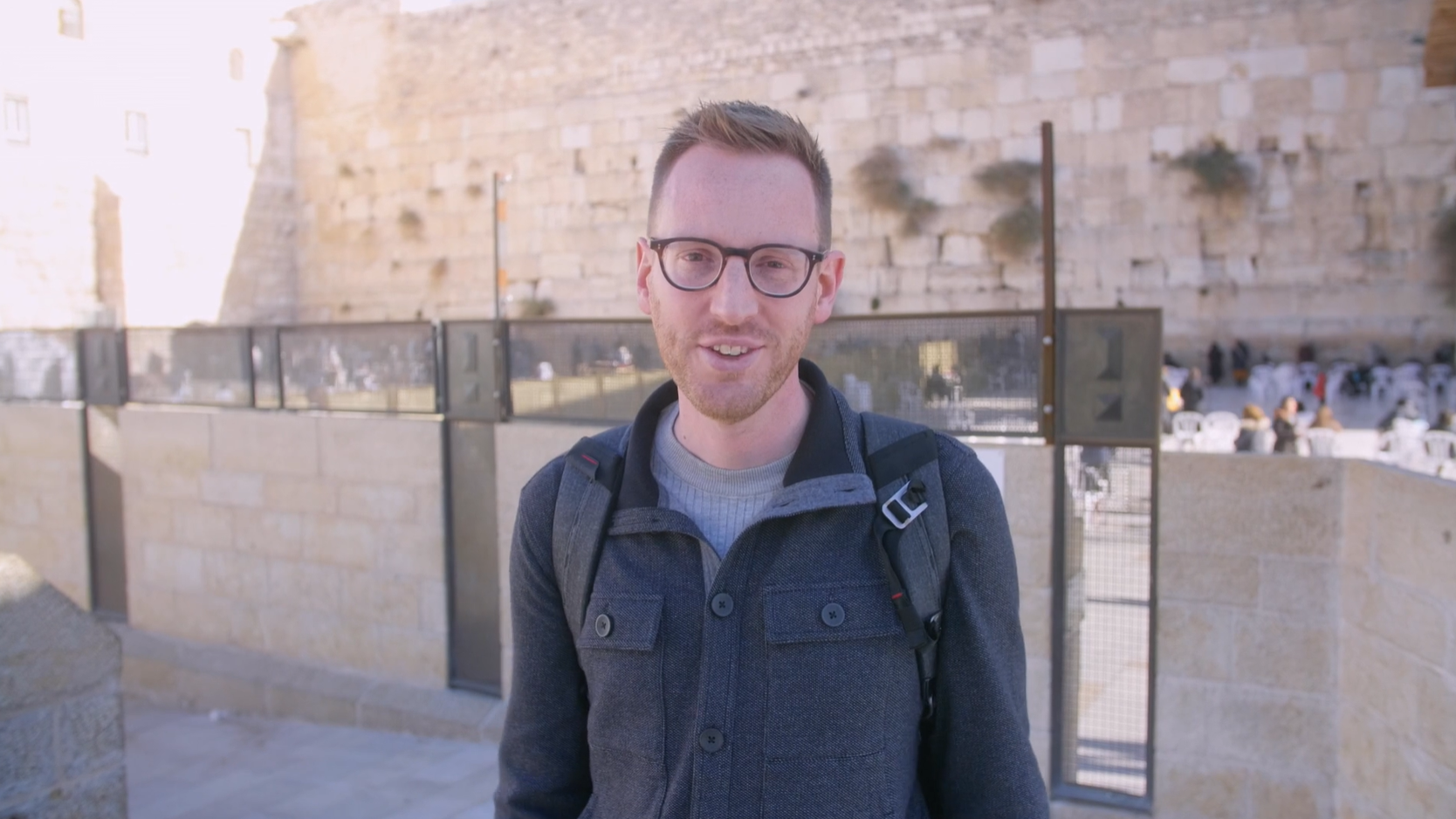
EPIC is a travelogue video series looking for historical objects around the world that tell the story of Christianity. Each episode is 25 minutes long. The host went to museums, historical sites, churches, etc. Sometimes he was allowed to film inside, showing the object that he talked about, while other times he simply described what he had seen while standing outside of the museum. He explained how the object told an important part of Christian history. There were also scenes showing him traveling, eating, taking photographs, etc. Sometimes the video was jerky, which I find difficult to watch. I enjoyed seeing the video of some of the sites in Germany and India that I've never seen pictures or video of before.

Episode 1 - Israel & Italy
Episode 2 - England
Episode 3 - Ireland & Scotland
Episode 4 - France & Switzerland
Episode 5 - Germany & Ecuador
Episode 6 - Australia & New Zealand
Episode 7 - Zambia & Zimbabwe
Episode 8 - India
Episode 9 - China, Philippines & South Korea
Episode 10 - USA


If you've watched this video series, what do you think about it? I'd be honored if you wrote your own opinion of the series in the comments.


Monday, April 26, 2021

The New Testament in Antiquity with Gary M. Burge and Gene L. Green

Book cover
The New Testament in Antiquity
with Gary M. Burge and Gene L. Green


MasterLectures Video
Publisher: Zondervan Academic
Source: Free month offer from MasterLectures.

Video Series Description:
The New Testament in Antiquity skillfully develops how Jewish, Hellenistic, and Roman cultures formed the essential environment in which the New Testament authors wrote their books and letters. Throughout the video lectures, presenters Gary Burge and Gene Green provide windows into the first-century world and discuss issues of interpretation derived from cultural observations. You will learn how understanding the land, history, and culture of this world brings remarkable new insights into how we read the New Testament itself.


My Review:
The total series takes nearly 9 hours to watch.

The New Testament in Antiquity is a video series about the cultural background to the New Testament. The speakers provided information about the cities (Corinth, etc.) and cultures (Jewish, Roman, etc.) being addressed in the various letters, providing insights to Biblical text. They also provided commentary on who wrote the book, to whom it was sent, and summarized the main points of the letter or book. There were brief snippets of video taken on location at the modern ruins of some of the mentioned cities. The speakers were easy to listen to and understand. Overall, I'd recommend this series.

Session 1 - Studying the New Testament
Session 2 - The Historical Setting of the New Testament
Session 3 - The World of Jesus in His Jewish Homeland
Session 4 - The Mediterranean World of the Apostle Paul
Session 5 - Sources for the Story of Jesus
Session 6 - The Story of Jesus
Session 7 - The Teachings of Jesus
Session 8 - The Gospel According to Matthew
Session 9 - The Gospel According to Mark
Session 10 - The Gospel According to Luke
Session 11 - The Gospel According to John
Session 12 - The Acts of the Apostles
Session 13 - Paul of Tarsus: Life and Teachings
Session 14 - The Letter to the Galatians
Session 15 - 1 and 2 Thessalonians
Session 16 - 1 Corinthians
Session 17 - 2 Corinthians
Session 18 - The Letter to the Romans
Session 19 - Colossians and Ephesians
Session 20 - Philippians and Philemon
Session 21 - The Pastoral Letters: 1 Timothy, 2 Timothy, Titus
Session 22 - The Letter to the Hebrews
Session 23 - The Letter of James
Session 24 - 1 and 2 Peter and Jude
Session 25 - The Letters of John
Session 26 - The Revelation of John
Session 27 - Preservation and Communication of the NT


If you've seen this video series, what do you think about it? I'd be honored if you wrote your own opinion in the comments.


Thursday, December 10, 2020

Israel Rising by Doug Hershey

book cover
Israel Rising
by Doug Hershey


ISBN-13: 9781496457745
Hardcover: 209 pages
Publisher: Tyndale House Publishers
Released: November 3rd 2020

Source: ebook review copy from the publisher through NetGalley.

Book Description, Modified from Goodreads:
A unique visual story of Israel's miraculous journey from unforgiving desert land to thriving nation.

Thousands of years ago, the prophet Ezekiel foretold a future time in which the arid land of Israel would come alive for its people. Now this breathtaking book documents the fulfillment of this vision, from the hills of Shiloh where shepherds once roamed, to the booming city of Tel Aviv, founded on sand dunes, to the stellar beaches of Caesarea, transformed from a small village into one of Israel's most stunning coastal cities and finally Jerusalem, the Eternal City of Peace, where in ancient times the power of worship resounded from the Temple. Here, rarely seen photographs taken between the 1880s and the 1940s juxtaposed with contemporary images of the same locations illustrate the region's biblical history as a place of monumental battle, celebration, worship, and awesome resilience.

Whether by helicopter or on foot, on their own or with the aid of locals, author Doug Hershey and photographer Elise Monique Theriault negotiate the terrain to access the vantage points required to match the original photos, from the rooftop of Israel's National Museum of Science, Technology and Space in Haifa, to Jaffa Port's breakwater, and much more.

Israel Rising looks at what exactly Ezekiel prophesied and explores the historical accounts from Jewish, Christian, and Muslim eyewitnesses of what the land and region has experience and endured. With more than 175 photos, Israel Rising will depict the transformation of Israel as it celebrates its 70th anniversary.


My Review:
Israel Rising compares black and white photographs of Israel taken between 1880 and the 1940s with full color photographs taken in 2016 from the same locations. The author started by talking about the prophecy in Ezekiel about Israel blooming again and then provided quotes from travelers from around 70 AD until the mid-1900s describing how desert-like and desolate the land had become. The modern pictures show a land full of green and people, the fulfillment of Ezekiel's prophesy. The author also included some accounts about the people they encountered as they took the pictures throughout Israel. If you like then-and-now photography books, then you'll enjoy this interesting book.


If you've read this book, what do you think about it? I'd be honored if you wrote your own opinion of the book in the comments.

Excerpt: Read an excerpt using Google Preview.

Monday, November 23, 2020

Christ in the Sabbath by Rich Robinson

book cover
Christ in the Sabbath
by Rich Robinson


ISBN-13: 9780802411990
Paperback: 272 pages
Publisher: Moody Publishers
Released: May 1st 2014

Source: Review copy from the publisher through Amazon Vine.

Book Description from Goodreads:
Christ in the Sabbath will take you on a “Sabbath tour” of the Bible. You’ll explore the themes of Shabbat (Hebrew for "Sabbath") and rest in both Old and New Testament and then discover what it has meant to Jews and Christians for centuries. Rabbinical comments and a variety of traditions provide clarity and credibility to the study of Sabbath.

This volume does not resolve all the differences among Christians concerning the place of the Sabbath today; instead, the journey undertaken in this book is designed to help you form your own conclusions—or inspire you to continue exploring the meaning and significance behind the Sabbath.


My Review:
Christ in the Sabbath explores the origins and practice of the Sabbath in the Bible and afterward. This book was written by a Jewish believer in Jesus, so we get both the Jewish and Christian perspectives. The author started by looking at the origins of Sabbath in the Bible, what it meant, and how it was celebrated (or not). He also looked at special sabbaths, the sabbatical year, and the year of Jubilee. He talked about what things were forbidden on the Sabbath and how this list developed over time. He talked about how Sabbath was celebrated at the time of Jesus and how Jesus is Lord of the Sabbath. He explored the history of Christians worshiping on Sunday and if those in the New Testament period and early church saw this as a new Sabbath. He talked about how Sabbath is celebrated today by Jews, the different views among Christians about Sabbath, and how Christians might celebrate Sabbath. This book contained a lot of information, but it was very readable and easy to understand. Overall, I'd recommend this book to anyone interested in learning more about the history and practice of the Sabbath.


If you've read this book, what do you think about it? I'd be honored if you wrote your own opinion of the book in the comments.

Excerpt: Read an excerpt using Google Preview.

Monday, June 8, 2020

A Week In the Life of Ephesus by David A. deSilva

book cover
A Week In the Life of Ephesus
by David A. deSilva


ISBN-13: 9780830824854
Paperback: 208 pages
Publisher: IVP Academic
Released: June 9th 2020

Source: ebook review copy from the publisher through NetGalley.

Book Description, Modified from Goodreads:
As the city of Ephesus prepares for a religious festival in honor of the emperor Domitian, a Christian landowner feels increasing pressure from the city's leaders to participate. Can he perform his civic duties and remain faithful to his Lord? Or has the time come for a costly choice? In this historical novel, biblical scholar David deSilva brings to life such compelling struggles faced by the early Christians. Their insistence on the absolute lordship of their own singular deity brought them into conflict not only with the myriad religious cults of the day, but with all the crushing power of the empire itself.


My Review:
A Week In the Life of Ephesus is partly fiction and partly nonfiction. It read like a documentary show that's primarily made up of fictional reenactments to illustrate the points. The purpose was to educate readers (in an entertaining way) about the social and cultural background of the Christians that received Revelation so that we can better understand how it would have impacted them. A lot of educational material was worked into the story, but additional information was provided in "sidebars" (which could take up whole pages) that were placed within the story. The book included some pictures of archaeological ruins or artifacts that illustrated information in the non-fiction sidebars or events in the story.

The story followed several viewpoint characters but had two main storylines: an upper-class Christian in Ephesus was being pressured to worship the emperor and other gods in addition to the Christian God and a Christian merchant was offered an opportunity to sell goods to Rome at a large profit but at the cost of others lacking those goods. The author was trying to show the different ways various Christians in Ephesus were dealing with pressures to conform and look out for self interest over following Christ wholeheartedly. Overall, I'd recommend this book to people interested in the insights gained from cultural background information.


If you've read this book, what do you think about it? I'd be honored if you wrote your own opinion of the book in the comments.


Saturday, May 30, 2020

Dragons: Legends & Lore of Dinosaurs

book cover
Dragons: Legends & Lore of Dinosaurs
by Bodie Hodge, Laura Welch
Illustrator: Bill Looney


ISBN-13: 9780890515587
Hardcover: 22 pages
Publisher: Master Books
Released: March 2nd 2011

Source: Bought.

Book Description, Modified from Amazon:
A fascinating presentation on dragons and their biblical connection will shed light on the truth of their existence and connection to the last living dinosaurs. Powerful, fire-breathing, fantastic beings that have left their legacy on this world and can now only be found in the pages of ancient texts.

Dragons: Legends & Lore of Dinosaurs is a juvenile nonfiction title enjoyable for all ages! It takes you back to the days of these amazing creatures and their presence in various cultures including Asia, the Americas, and Europe. Read of thrilling historical battles between dragons, and saints, and their ability to terrorize medieval castles. This title is case bound and beautifully presented using original illustrations, envelopes, fold-outs, gatefolds, and more! 24 pages and 11 spreads of substantial quality, unique content, and all at a great


My Review:
Dragons: Legends & Lore of Dinosaurs is a collection of accounts about dragons found throughout human history and about how the descriptions of dragons often match those of dinosaurs. The target audience is ages 8 through 12 (and older, including adults). The book has pages that flip out for larger illustration, doors that can be opened to see what is behind them, envelopes that contain folded accounts of dragons, and other interactive features. The authors included recorded legends about dragons found around the world, from ancient times to more recent ones. They even quoted where dragons are mentioned in the Bible. They also explained how an evolutionary viewpoint that dinosaurs died out millions of years ago prevented some people from making the obvious connection between dinosaur bones and dragon legends. Overall, I'd recommend this book to kids interested in dragons and dinosaurs.


If you've read this book, what do you think about it? I'd be honored if you wrote your own opinion of the book in the comments.


Wednesday, May 27, 2020

Uncovering the Mysterious Woolly Mammoth by Michael & Beverly Oard

book cover
Uncovering the Mysterious Woolly Mammoth: Life at the End of the Great Ice Age
by Michael Oard,
Beverly Oard


ISBN-13: 9780890515082
Hardcover: 72 pages
Publisher: Master Books
Released: June 1st 2007

Source: Bought it.

Book Description, Modified from Amazon:
How did the Ice Age end? How did men survive during the end of the Ice Age? Where have mammoths been found? Discover the science behind the Ice Age World. The questions of what happened at the end of the Ice Age and why the woolly mammoth disappeared have been asked by many. Unfortunately, the answers given are usually in line with an evolutionary world view. Author Michael Oard gives biblically and scientifically sound answers to these relevant questions for young readers in an exciting story of one boy and his family. Follow Tungus and his tribe as they travel to a better climate away from the dust storms at the end of the great Ice Age. Learn how people lived, the challenges they faced in daily life, and why the woolly mammoths disappeared while the Ice Age was ending.


My Review:
Uncovering the Mysterious Woolly Mammoth is a look from the biblical perspective at the causes of the Ice Age and what we know about how people lived during that time and what happened to the woolly mammoths. Much of this is written in a fictional account from the viewpoint of a 12-year-old boy living in what is now Germany and a 12-year-old boy who migrated with his family from Siberia. We see how they live now and the two tribes talked about how things changed in Siberia. Both the story and the nonfiction scientific explanation after it seemed aimed at 10- to 12-year-olds (and older).

The nonfiction section explained how the worldwide flood described in the Bible would create the correct conditions to cause an ice age and dust storms, the evidence of which we see still today on the landscape. The authors also talked about the mass extinctions of large animals around this time with a focus on the extinction of the woolly mammoth. The illustrations showed scenes from the story and had a realistic (though somewhat blurred) look. Overall, I'd recommend this book to those who want an overview of the science and archaeology of the Ice Age from a biblical perspective.


If you've read this book, what do you think about it? I'd be honored if you wrote your own opinion of the book in the comments.


Excerpt: Read an excerpt using Google Preview.

Monday, February 24, 2020

Footprints in the Ash by John D. Morris

book cover
Footprints in the Ash
by John D. Morris


ISBN-13: 9780890514009
Hardcover: 128 pages
Publisher: Master Books
Released: August 19th 2004

Source: Bought the book.

Book Description from Goodreads:
In the aftermath of the Mount St. Helens eruption and the subsequent glacier slide and mudflows, there remained a geologic gold mine for earth scientists. No natural disasters in recent history could compare with the variety of process which resulted from this tectonic and volcanic event. As creation scientists have carefully studied this geological phenomenon, they have concluded that Mount St. Helens accomplished the same sort of geologic work that biblical creationists attribute to Noah's flood. While this explosion was certainly much smaller in scale and intensity, many lessons were learned through this occurrence that help us understand the unobservable past. Journey back to this catastrophic event with scientists Dr. Steve Austin and Dr. John Morris and see what was discovered as they reconstruct the sequence of earthquakes, eruptions, avalanches, mudflows, and other geologic processes and unveil their fascinating research findings!


My Review:
Footprints in the Ash talks about how observations of events during and after the explosion of Mount St. Helens impact our understanding of how quickly various geological formations are created. The book had many photographs of the destruction and of the geological formations that were created in the aftermath. The author started by detailing the events of the eruption, like the start of the mud flow or the various catastrophic events that happened at Spirit Lake.

The author then moved on to the observations taken by the scientists at that time and in the years afterwards. He talked about how a certain sedimentation pattern or whatever would be explained if seen in places like the Grand Canyon, but we now know how quickly they form because we saw them form in a matter of hours or sometimes days.

He talked about rapid strata formation, rapid hardening of sediments into rock, rock deformation, the damage caused by flowing water and mud slurry, radioisotope dating on the new lava dome, rapid erosion of canyons into solid rock, rapid formation of Badlands topography, comparing it to the Grand Canyon, the rapid formation of peat and coal beds, the rapid formation of shoreline features, the rapid fossilization of trees and about petrified wood, and how quickly plants and animals returned to the ash areas. Overall, I'd recommend this very interesting book.


If you've read this book, what do you think about it? I'd be honored if you wrote your own opinion of the book in the comments.


Tuesday, February 4, 2020

Eyewitness to Crucifixion by Stephen M. Miller

book cover
Eyewitness to Crucifixion
by Stephen M. Miller


ISBN-13: 9781640700017
Paperback: 192 pages
Publisher: Discovery House
Released: February 4th 2020

Source: ebook review copy from the publisher through NetGalley.

Book Description, Modified from Goodreads:
Stephen M. Miller has a journalistic approach to explaining Bible knowledge. Now Miller has set his sights on crucifixion, gathering firsthand testimony from ancient witnesses to discover, What does it really mean that Jesus was executed on a Roman cross? You’ll examine the historical context for your faith as seen through first-century eyes.


My Review:
Eyewitness to Crucifixion is a collection of quotes from historical documents about crucifixion. The author used casual language when discussing the information and translated the quotes into everyday English. He included any mention of crucifixion, even if it was just in passing. The author discussed what led up to and came after the quote so that it was in context, and he also gave a brief biography about the life of the author of the quote. Some of the quotes described crucifixion rather than just commented on who was crucified, and those could get gory. The author also talked about how critics think that little about Jesus's crucifixion is actually described and how our images of his crucifixion may be wrong.

He included a section of quotes written after Jesus death which referred to crucifixion, usually a description of how the early Christians were killed during persecution. This also got gory. The author talked about what early Christians said about Jesus's crucifixion and what outside sources said. This involved a lot of discussion about what the critics say to discredit some of these quotes. He finished by talking about what the Bible actually does say about Jesus crucifixion, and then he talked about some of the comments he has gotten on his YouTube video on this topic. Overall, despite the casual tone, this really is more in-depth and academic than would interest the casual Christian. But if you really want to know this information, here it is.


If you've read this book, what do you think about it? I'd be honored if you wrote your own opinion of the book in the comments.


Tuesday, December 3, 2019

A Week in the Life of a Greco-Roman Woman by Holly Beers

book cover
A Week in the Life of a Greco-Roman Woman
by Holly Beers


ISBN-13: 9780830824847
Paperback: 176 pages
Publisher: IVP Academic
Released: December 3, 2019

Source: ebook review copy from the publisher through NetGalley.

Book Description, Modified from Goodreads:
In first-century Ephesus, life is not easy for women. A young wife meets her daily struggles with equanimity and courage. She holds poverty and hunger at bay, fights to keep her child healthy and strong, and navigates the unpredictability of her husband's temperament. But into the midst of her daily fears and worries, a new hope appears: a teaching that challenges her society's most basic assumption. What is this new teaching? And what will it demand of her? In this novel, Holly Beers introduces us to the first-century setting where the apostle Paul first proclaimed the gospel. Illuminated by historical images and explanatory sidebars, this lively story not only shows us the rich tapestry of life in a thriving Greco-Roman city, it also foregrounds the interior life of one courageous woman--and the radical new freedom the gospel promised her.


My Review:
A Week in the Life of a Greco-Roman Woman is partly fiction and partly nonfiction and covered events from the point of view of a poor, married, pregnant woman in Ephesus who witnesses the events of Acts 18-20 and decides if she will follow Jesus (and no other gods). The story read like a documentary show that's primarily made up of fictional reenactments to illustrate the points. The purpose was to educate readers (in an entertaining way) about the cultural background of the first-century Greco-Roman church so that we can better understand the New Testament.

The book contained some nice black-and-white pictures of ruins and archaeological artifacts that illustrated information in the non-fiction sidebars or events in the story. A lot of educational material was worked into the story and additional information was provided in "sidebars" (which could take up whole pages) that were placed within the story.

In the fictional part, we basically followed the main character through her daily life, but with some significant encounters during that week and ending with a critical decision. I thought that the author did a good job with the educational points that she brought out. Overall, I'd recommend this book to people who aren't very familiar with the cultural background to the New Testament and who aren't interested in pure nonfiction books on the topic.


If you've read this book, what do you think about it? I'd be honored if you wrote your own opinion of the book in the comments.


Thursday, November 21, 2019

The Flood of Noah: Legends & Lore of Survival by Bodie Hodge & Laura Welch

book cover
The Flood of Noah: Legends & Lore of Survival
by Bodie Hodge (Editor),
Laura Welch,
Bill Looney (Illustrations)


ISBN-13: 9780890518014
Hardcover: 24 pages
Publisher: Master Books
Released: June 4th 2014

Source: Bought from publisher.

Book Description, Modified from Goodreads:
Cultural accounts of a wicked world, destroyed by a global flood, have been relegated to myth even the history of Noah's ark revealed in the Bible. Yet, in every corner of the world, you find these legends of a vastly destructive, worldwide flood event. Similarities include: mankind is almost wiped out, some animals are chose for survival, a craft or other escape mechanism is provided for survival, and water covers everything. What are these legends, and what intriguing clues do they contain? What do they reveal about their possible common origin? Exciting details presented with an interactive experience of flaps, mini-books, foldouts, and more!


My Review:
The Flood of Noah was mainly a collection of legends about a worldwide flood. The author explained why the biblical account is the most accurate account of this event and then pointed out the common features of the various legends about a worldwide flood. Much of the book provided the legends from various cultures from all over the world. These were accompanied by drawings of the events as described in the legend, though I think these were recent illustrations rather than traditional drawings. Overall, I'd recommend this book to anyone interested in the topic.


If you've read this book, what do you think about it? I'd be honored if you wrote your own opinion of the book in the comments.


Excerpt: Read an excerpt using Google Preview.

Tuesday, February 19, 2019

A Week in the Life of Rome by James L. Papandrea

book cover
A Week in the Life of Rome
by James L. Papandrea


ISBN-13: 9780830824823
Paperback: 160 pages
Publisher: IVP Academic
Released: Feb. 19, 2019

Source: ebook review copy from the publisher through NetGalley.

Book Description, Modified from Goodreads:
In first-century Rome, following Jesus comes at a tremendous social cost. An urbane Roman landowner and merchant is intrigued by the Christian faith—but is he willing to give up his status and lifestyle to join the church? Meanwhile his young client, a catechumen in the church at Rome, is beginning to see just how much his newfound faith will require of him.

A Week in the Life of Rome is a cross section of ancient Roman society, from the overcrowded apartment buildings of the poor to the halls of the emperors. Against this rich backdrop, illuminated with images and explanatory sidebars, we are invited into the daily struggles of the church at Rome just a few years before Paul wrote his famous epistle to them. A gripping tale of ambition, intrigue, and sacrifice, James Papandrea's novel is a compelling work of historical fiction that shows us the first-century Roman church as we've never seen it before.


My Review:
A Week in the Life of Rome is partly fiction and partly nonfiction. The novel is set in 50 A.D. in Rome. It followed characters in the various churches in Rome and included people from different backgrounds and economic levels. The main characters were a freedman and his family. His wife and his stepson are Christians, and he's interested. However, his patron asks him to do things that would be against the Christian faith. He must choose between advancement in Roman society or his family and new faith. Cultural and historical details were woven into the story which show what it would've been like for a Roman mindset confronted with Christian values.

There were nonfiction sidebars that discussed certain topics from the story, like the Vestal Virgins. This helped to further explain things happening in the story and help readers understand some of the issues talked about in the New Testament. The book contained some interesting photographs of Roman ruins and archaeological artifacts which illustrated information from the nonfiction sidebars and events in the story. I found both the story and the nonfiction interesting and informative. Overall, I'd recommend this book to people who aren't very familiar with this type of Bible background information.


If you've read this book, what do you think about it? I'd be honored if you wrote your own opinion of the book in the comments.


Monday, December 4, 2017

Godspeed by David Teems

book cover
Godspeed
by David Teems


ISBN-13: 9781501847158
Paperback: 384 pages
Publisher: Abingdon Press
Released: Oct. 3, 2017

Source: Review copy from the publisher through Amazon Vine.

Book Description, Modified from Goodreads:
For the Protestant reformer, times were treacherous. The reformer lived, moved, and exercised his or her faith within the shadow of a powerful church that dominated Western culture. Many of these men and women paid the ultimate price for their faith.

Celebrating the 500th anniversary of the Protestant Reformation, Godspeed is a 365-day devotional that features the words of prominent reformers, including Martin Luther, William Tyndale, John Calvin, and others, thoughtfully illuminated by best-selling author David Teems with both historical precision and charm.


My Review:
Godspeed is a 365-day-long devotional. There is an entry for each day of the year. Each entry started with a quote from one of the "Voices of the Reformation"--mainly William Tyndale and Martin Luther, but also people like John Wycliffe, Jan Hus, Thomas Cranmer, Anne Askew, Ulrich Zwingli, John Calvin, John Knox, and queens Anne Boleyn, Katherine Parr, and Elizabeth. The author (or a further quote) then expanded upon what the reformer said. This was followed by a brief thought or prayer (often another short quote from that reformer). It ended with related verses from the Bible. Those verses were quotes from different versions of the Bible published in the last 500 years. This devotional is a fun way to get a look at some of the things the reformers wrote.


If you've read this book, what do you think about it? I'd be honored if you wrote your own opinion of the book in the comments.


Excerpt: Read an excerpt using Google Preview.

Tuesday, August 22, 2017

Encountering the History of Missions by John Mark Terry and Robert L Gallagher

book cover
Encountering the History of Missions:
From the Early Church to Today
by John Mark Terry and Robert L Gallagher


ISBN-13: 978-0801026966
Paperback: 432 pages
Publisher: Baker Academic
Released: Aug. 22, 2017

Source: ebook review copy from the publisher through NetGalley.

Book Description, Modified from Goodreads:
This new addition to a highly acclaimed series portrays the sweep of missions history, revealing how God has fulfilled his promise to bless all the nations. Two leading missionary scholars and experienced professors help readers understand how missions began, how missions developed, and where missions is going. The authors cover all of missions history and provide practical application of history's lessons. Maps, tables, box inserts, sidebars, and discussion questions add to the book's usefulness in the classroom.


My Review:
Encountering the History of Missions is a textbook about missions history. The authors started at around AD 100 and went up to 2017, but the book was only loosely in chronological order. They took groups (like the Jesuits or Moravians) or movements (church growth movement, etc.) and looked at their missionary efforts. The focus was on how various individuals and groups spread the gossip (methods) and what the results where--did the church last or send out missionaries of its own?

They mainly looked at European and Asian missions efforts, though they did briefly touch on missionary work from all around the world. They looked at all Christian missions, including Catholic, Orthodox, and Protestant. However, they mostly looked at Protestant missions after describing the Reformation. They talked about missionary councils and congresses, movements, various specializations within missions (radio, Bible translations, etc.), and suggested what we can learn from past missionary efforts.

Most of the early sections gave some background to explain why the missionaries acted as they did and then gave short biographies for the notable missionaries from that group. There were also case studies and side bars with discussion questions. Overall, I found the information interesting as it provided an overall arc that I've not gotten before. But while I grant that this is a textbook, it isn't likely to keep the attention of someone not already interested in the topic.


If you've read this book, what do you think about it? I'd be honored if you wrote your own opinion of the book in the comments.


Excerpt: Read an excerpt using Google Preview.

Monday, August 14, 2017

A Week in the Fall of Jerusalem by Ben Witherington III

book cover
A Week in the Fall of Jerusalem
by Ben Witherington III


ISBN-13: 9780830851737
Paperback: 304 pages
Publisher: InterVarsity Press
Released: Aug. 14, 2017

Source: ebook review copy from the publisher through NetGalley.

Book Description, Modified from NetGalley:
It’s A.D. 70. Amid smoke, clamor, and terror, Jerusalem is falling to the Romans, its temple being destroyed. As Jews and Christians try to escape the city, we travel with some of them through an imagined week of flight and faith. In this narrative retelling of events in the ancient church, New Testament scholar Ben Witherington leads us behind the veil of centuries to see and experience the historical and social realities of the epochal event of the fall of Jerusalem.


My Review:
A Week in the Fall of Jerusalem is a narrative retelling mixing nonfiction about the Fall of Jerusalem with fiction about what happened to various Christ followers. The first two or three days focused on what happened in Jerusalem in A.D. 70 when the Romans finally broke into the city. Then the story shifted focus to the scattering of the Christ followers, their plans for the future, and things that had happened to them between A.D. 30 and A.D. 70.

The fictional parts were largely speculative. For example, as Levi (Matthew) flees Jerusalem, he meets other Christ followers, collects stories from Christ's life, then returns to Galilee to finally give up tax collecting and start work on his gospel. Mary, Martha, and Joanna flee to Pella, where Mary Magdalene has been living. Titus, Josephus, and some other people (some purely fictional) also have brief parts.

As the narrative unfolded, various historical and cultural elements were mentioned. The author provided sidebars that gave further information on these topics--things like slaves, taxes, villas, and coins. The author used modern wording and phrasing, so it's an easy read. Overall, I'd recommend this interesting book, though I liked A Week in the Life of Corinth better.


If you've read this book, what do you think about it? I'd be honored if you wrote your own opinion of the book in the comments.


Tuesday, May 30, 2017

A Brief History of Sunday by Justo L. Gonzalez

book cover
A Brief History of Sunday
by Justo L. Gonzalez


ISBN-13: 9780802874719
Paperback: 160 pages
Publisher: Wm. B. Eerdmans Publishing Company
Released: May 31, 2017

Source: ebook review copy from the publisher through NetGalley.

Book Description from NetGalley:
Noted Christian historian Justo González tells the story of how and why Christians have worshiped on Sunday from the earliest days of the church to the present.

After discussing the views and practices relating to Sunday in the ancient church, González turns to Constantine and how his policies affected Sunday observances. He then recounts the long process, beginning in the Middle Ages and culminating with Puritanism, whereby Christians came to think of and strictly observe Sunday as the Sabbath. Finally, González looks at the current state of things, exploring especially how the explosive growth of the church in the Majority World has affected the observance of Sunday worldwide.

Readers of this book will rediscover the joy and excitement of Sunday as the early church celebrated it and will find inspiration in an age of increasing indifference and hostility to Christianity.


My Review:
A Brief History of Sunday is a history of how Christians have viewed Sundays, from the early church to modern times. It's not a history of the Sabbath except in how Christians initially accepted then rejected the Sabbath and eventually came to view Sunday as a Christian sabbath. The author looked at (and quoted) documents from each time period to understand why Christians met on Sunday and what they did together when they met. He talked about the changing attitudes toward Sunday, including beliefs about how one should celebrate or honor the day.

Understandably, there wasn't much documentation for the earlier periods, but there's enough to know how early Christian's viewed Sundays and what they did when together. I found it interesting how much things have changed from the earliest meetings and how Constantine's policies started the shift in how the day was viewed. I enjoy learning about how things got to the way they are today, and I found this to be a very interesting and informative book. I'd highly recommend it to those who are interested in this topic.


If you've read this book, what do you think about it? I'd be honored if you wrote your own opinion of the book in the comments.


Excerpt: Read an excerpt using Google Preview.